
 |
| Rodrigo Kleinert 5th-year |
On the 14th of January our group of students had the opportunity to have a very insightful discussion with Ricardo Young, a city council member that enthusiastically supports the cycling cause as an important step for a more transport efficient city. After explaining his very interesting view on the role of cities as huge consumers of resources, he showed how policies from the last century and economy shaped the roads where we now try to drive on. Therefore, public subsides for public transport are huge now a days, and the number of sustainable transport projects are tiny. One of the few are the cycling paths that started to be laid in the city road network in 2007, yet in very low standard and following a very poor route selection.
As a cyclist, a student of civil engineering also working with urban mobility, I have eagerly seen the infrastructure being built and had hoped for a cultural change in behavior to make use of it. But so far, we have had only a minor migration from other modes of transportation. I believe in the idea that many of the destinations within a 5km radius of one’s location can be reached by bike – despite of terrain and weather – if a high standard infrastructure connecting all possible origin-destination pairs is available.
São Paulo’s infrastructure seem to be closely linked to the political sphere, thus building bike lanes in quantity has gained more importance then building them with quality – a showy action of a leader thirsty for votes. The little usage of the recently implemented bike lanes in the city show also that the lack of planning according to the public demand is a major factor that in fact may contribute negatively for the cycling cause. This is why: if bike lanes are laid on a street with no significant demand for them, they become underused and therefore seen as a waste of useful street area by drivers and public transportation users. This adds to the combined efforts deficiency on the commercial side to adapt facilities to assist enthusiast bikers – like myself – to ride more quickly, safely and comfortably. Simple examples include the lack of changing rooms in office buildings and the tiny number of parking spots for bicycles. It is not hard to imagine that looking for a place to park under the Brazilian sun in a humid summer day after riding a poorly structured bicycle lane is not fun.
Last but not least, I believe the bikers themselves and their behavior in the traffic are sometimes counterproductive. Ricardo Young thinks similarly: bicycles are vehicles, and those riding them should not only have rights, but also duties. Traffic rules seem to lose their validity when someone mounts on a bicycle in São Paulo. I have witnessed riders “performing” countless forbidden turns, red light infractions, wrong way rides, pedestrian disregard on sidewalks, and the list goes on. I say "performing" between quotation marks because it is undeniably a form of art to be uninjured after starring in a number of these events. Eventually, accident rate rises as bike lanes popularity decreases. Simple.
Solutions? There are many. From enhancing the lanes quality and reducing taxes for bike-friendly buildings to fining cyclist for traffic infractions and creating a safer street environment, there is an infinity of tasks to be done by different and several actors. Ricardo Young believes that under ideal conditions, literally all trips could be done by or involve bike rides. Personally, I am not that optimistic given physical condition and distance restrictions. But the fact is that incorporating a functional cycling network on the urban modes of transport scope can significantly foster a quicker urban redevelopment directed to a multimodal and less car dependent configuration, transforming the city we have inherited from a less populated and less demanding era into a metropolis with better standards in terms of traffic, capacity and above all, sustainability for the future.
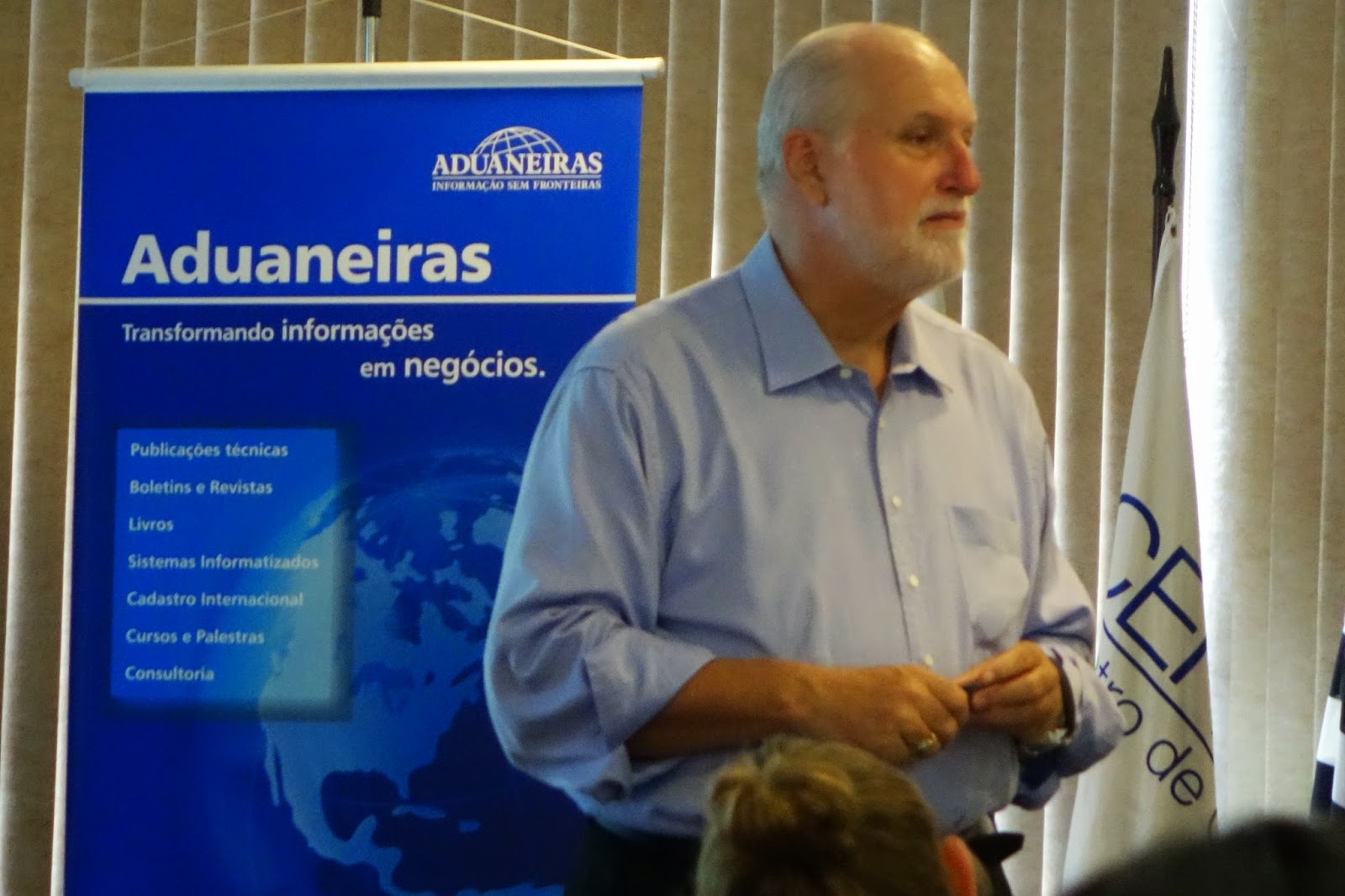 |
| Ricardo Young City Councilor, São Paulo |
As a cyclist, a student of civil engineering also working with urban mobility, I have eagerly seen the infrastructure being built and had hoped for a cultural change in behavior to make use of it. But so far, we have had only a minor migration from other modes of transportation. I believe in the idea that many of the destinations within a 5km radius of one’s location can be reached by bike – despite of terrain and weather – if a high standard infrastructure connecting all possible origin-destination pairs is available.
São Paulo’s infrastructure seem to be closely linked to the political sphere, thus building bike lanes in quantity has gained more importance then building them with quality – a showy action of a leader thirsty for votes. The little usage of the recently implemented bike lanes in the city show also that the lack of planning according to the public demand is a major factor that in fact may contribute negatively for the cycling cause. This is why: if bike lanes are laid on a street with no significant demand for them, they become underused and therefore seen as a waste of useful street area by drivers and public transportation users. This adds to the combined efforts deficiency on the commercial side to adapt facilities to assist enthusiast bikers – like myself – to ride more quickly, safely and comfortably. Simple examples include the lack of changing rooms in office buildings and the tiny number of parking spots for bicycles. It is not hard to imagine that looking for a place to park under the Brazilian sun in a humid summer day after riding a poorly structured bicycle lane is not fun.
Last but not least, I believe the bikers themselves and their behavior in the traffic are sometimes counterproductive. Ricardo Young thinks similarly: bicycles are vehicles, and those riding them should not only have rights, but also duties. Traffic rules seem to lose their validity when someone mounts on a bicycle in São Paulo. I have witnessed riders “performing” countless forbidden turns, red light infractions, wrong way rides, pedestrian disregard on sidewalks, and the list goes on. I say "performing" between quotation marks because it is undeniably a form of art to be uninjured after starring in a number of these events. Eventually, accident rate rises as bike lanes popularity decreases. Simple.
Solutions? There are many. From enhancing the lanes quality and reducing taxes for bike-friendly buildings to fining cyclist for traffic infractions and creating a safer street environment, there is an infinity of tasks to be done by different and several actors. Ricardo Young believes that under ideal conditions, literally all trips could be done by or involve bike rides. Personally, I am not that optimistic given physical condition and distance restrictions. But the fact is that incorporating a functional cycling network on the urban modes of transport scope can significantly foster a quicker urban redevelopment directed to a multimodal and less car dependent configuration, transforming the city we have inherited from a less populated and less demanding era into a metropolis with better standards in terms of traffic, capacity and above all, sustainability for the future.


